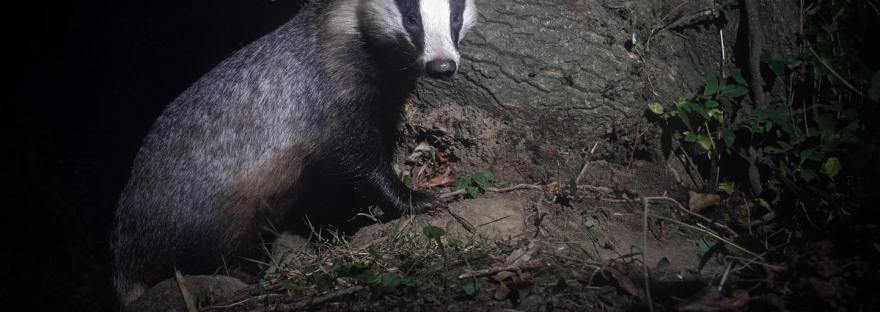

Following the successful release of our third publication ‘Badger Bill’, our latest blog is about Martin’s relationship with photographing Badgers…
Since I got into wildlife photography about 7 years ago, I have had a fascination with badgers. Before our first son was born, some kind friends of ours would let me sit up late into the night, waiting and then watching their nocturnal visitors. It was great to view the badgers up close, just going about their business. I was learning how to fire my camera remotely, using wide-angle lenses which was fun and new to me at the time.
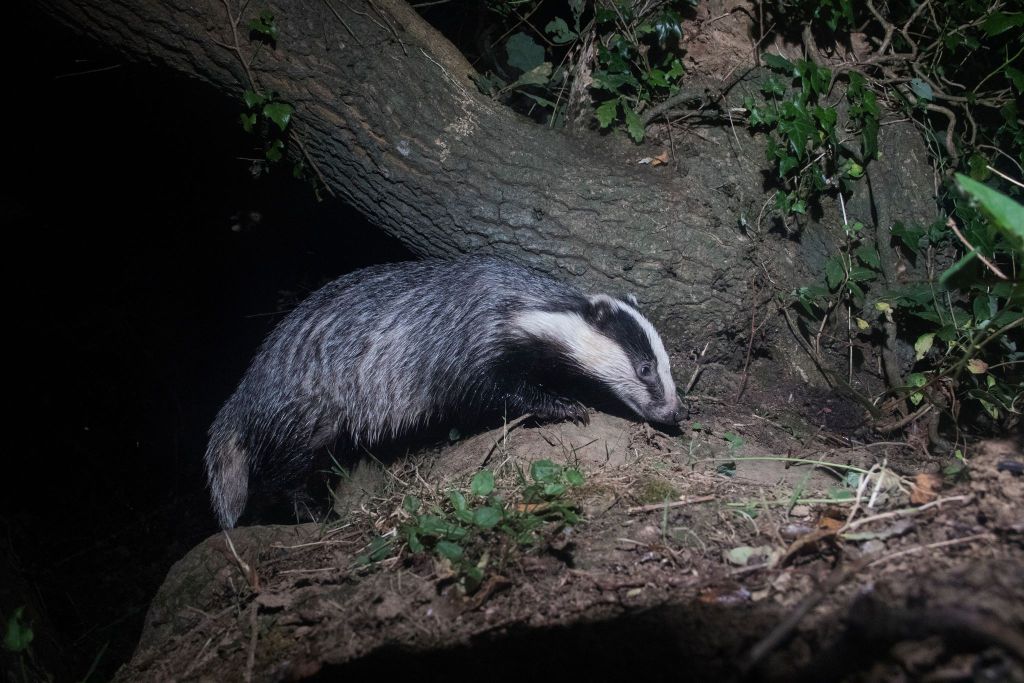
The badgers paid no notice to the camera, allowing for some great, intimate shots of Britain’s largest predator.
Once our first son Noah was born, having the time (and energy!) to stay up late and with no guarantee of the badgers turning up, I had to rethink my strategy to keep documenting these wonderful creatures, but not kill myself (or get divorced) in the process.

I discovered the world of ‘camera trapping’, and a book called ‘Back Garden Safari’ by a photographer called Richard Peters, has really inspired me to this very day. Using a passive infra-red motion sensor, and a low powered flash, I quickly learnt that I could still keep going with my wildlife photography, in a new, exciting way.
I met a great friend whilst taking Noah out in the pram who allowed me to photograph on his land for a period of about 5 years, in various locations, most notably at a small gap in a fence by a stream. It was this gap that inspired the story for ‘Badger Bill’. We had badgers, foxes, otters, polecats, a long eared bat, pheasants, a tawny owl, blackbird, nuthatch, water rail, rabbit, brown rat, robin, thrush, great tit, jay, and buzzard, roe deer, cats and a stoat that all used the gap. A remarkable project that allowed a glimpse into their nocturnal world, whilst we slept in our beds.
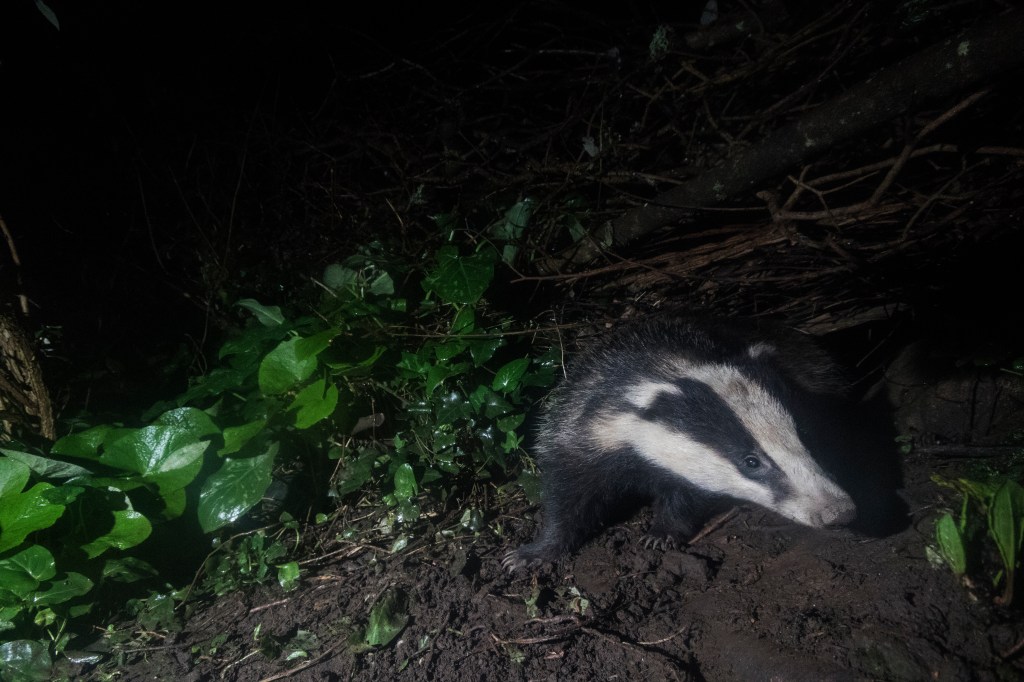
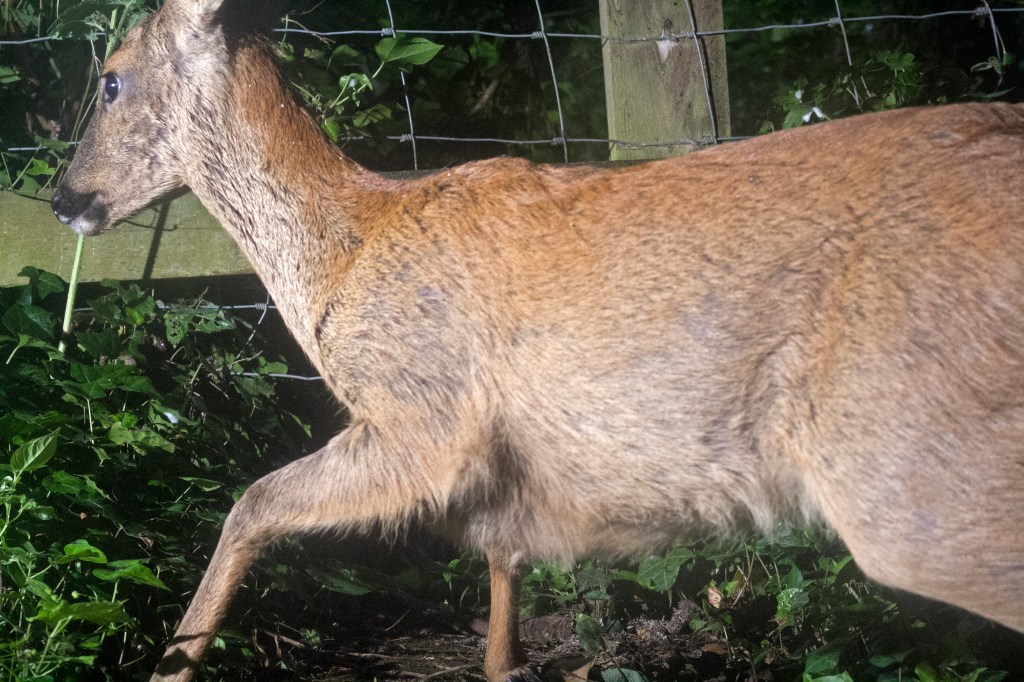

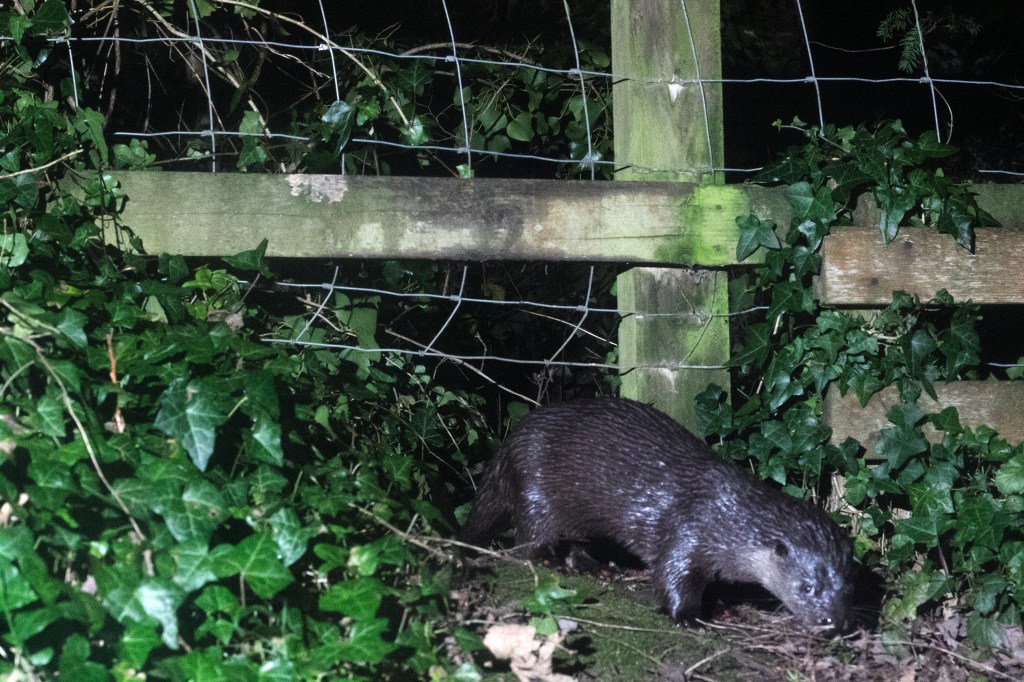
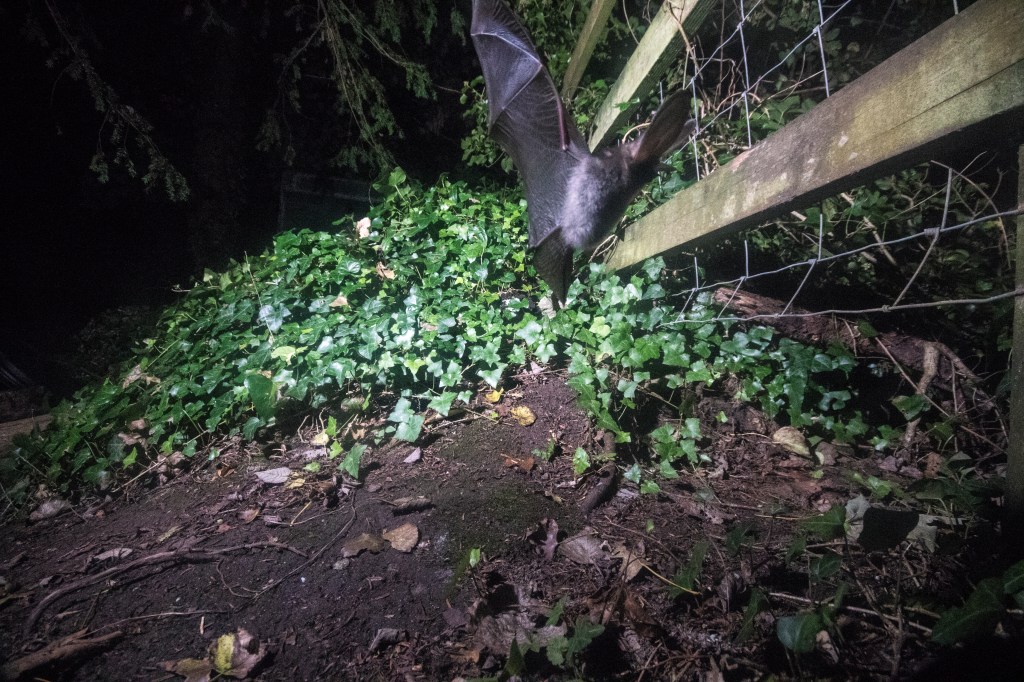

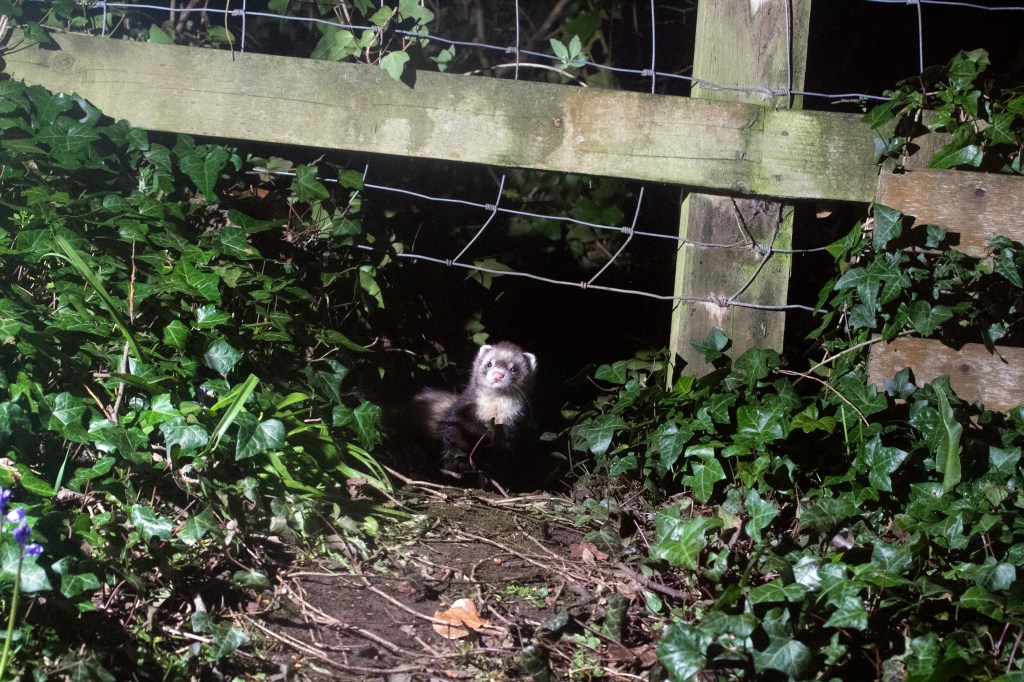
It is important to be ethical whilst camera trapping, I would not set up my kit at den sites, and also monitored the animals reaction to the flash by using trail cameras. None of the subjects acted adversely when the flash fired, although when the rare time a fox passed by the sensor, they would often be spooked but I think that was from the noise of the camera shutter. This resulted in me padding out my camera box with anything to help insulate and lessen the noise of the camera click.

At another friend’s property, a trail camera was showing two dogs entering a badger sett. We managed to track down the owners of the dogs (who were oblivious to the dogs activities), apparently the dogs had gotten out of their garden, and would investigate the sett. This was unintentional disturbance but could still be bad for the badgers, especially as they were breeding at the time. The dogs were stopped from breaking out of their garden, and the badgers are still living happily in between two housing estates – thanks to the power of my trail camera. It was amazing watching the behaviour of the animals passing these cameras. One photo in particular springs to mind. One night, a badger passed through the gap in the fence, followed closely by a fox. My camera was set that time to take 2 shots per activation, and I got two interesting photos of a fox following a badger. There would be lean times, however, maybe in 2 or 3 weeks not much would be recorded. Then out of the blue one night I’d check the camera and badger, pheasant and an otter had all used the gap within a few minutes of each other. I guess the not knowing is the thrill of camera trapping.
I now have camera trap projects running all the time, and have got an exciting new kingfisher project going at the moment. I use old Canon 7d’s, which cost about £100 second hand, and make my own camera housings from £4 plastic boxes..
Zoe and I are active members of the Cornwall Badger Group. Again, thanks to my trail camera, we got footage of a sow badger with probable mastitis. It was odd that no cubs had been filmed ( it was the middle of May), and the year before the 2 cubs first came above ground on the 12th April. Under the advice of the CBG, we attempted to trap the poorly female, but unfortunately we were unable to do so. There were no cubs this year, but from my camera trap and trail camera surveillance, there were 4 adult badgers living in that particular sett ( and still are).

The Cornwall Badger Group regularly go out to injured (and deceased) badgers. The mortality rate (mainly due to road traffic accidents), is unfortunately high, but the badgers that are able to be rehabilitated are taken to the Last Chance Hotel in Chacewater, and are then released to the area that they were found once recovered. They are a brilliant group, and are all volunteers. Please pay their page a visit if you would like to know more about them.
https://cornwallbadgergroup.org
https://www.facebook.com/CornwallBadgerGroup

If anyone has concerns regarding a badger sett being interfered with, (for example a building project blocking access to a sett), please contact Badger Trust.
https://www.badgertrust.org.uk
My friends have a sett in their garden and builders had unintentionally blocked a sett. Badger Trust were contacted, and after getting some advice, the builders then happily left a small gap for the badgers.

 Chough Rock